An 18,000 sq.ft. sanctuary where thoughtful design and immersive experiences inspire introspection and personal growth.
Nestled within the base of the colossal 270-foot high Statue of Belief in Nathdwara, Rajasthan, is a museum unlike any other. Spanning 18,000 square feet, this one-of-a-kind museum transcends typical exhibition spaces, guiding visitors on an introspective journey that integrates the soul (aatma), mind (mana), and body (tann). With its seamless blend of architectural mastery and spiritual depth, the museum offers a truly immersive experience designed to foster self-reflection and inner peace.
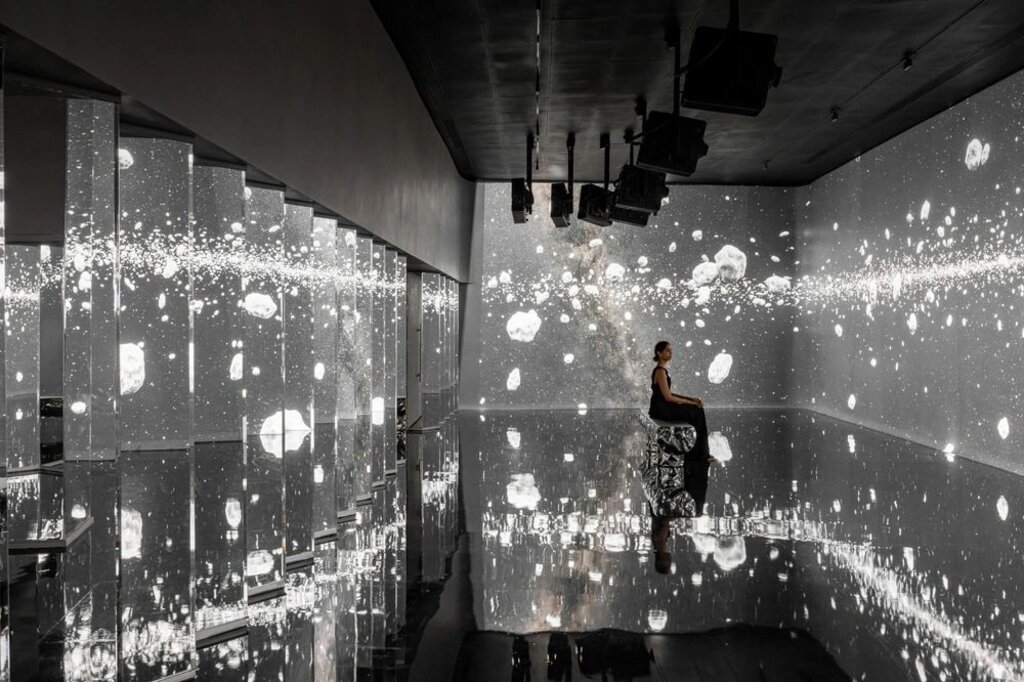
The design narrative of this museum aligns perfectly with its philosophical theme. The space is intentionally divided into a series of rooms, each representing a different natural element and experience, with the ultimate goal of evoking self-analysis and introspection. The progression from one space to another mirrors the layered journey of discovering the self. Through subtle architectural cues, tranquil atmospheres, and a harmonious blend of audio-visual elements, the museum beckons visitors to engage with the deeper aspects of existence.
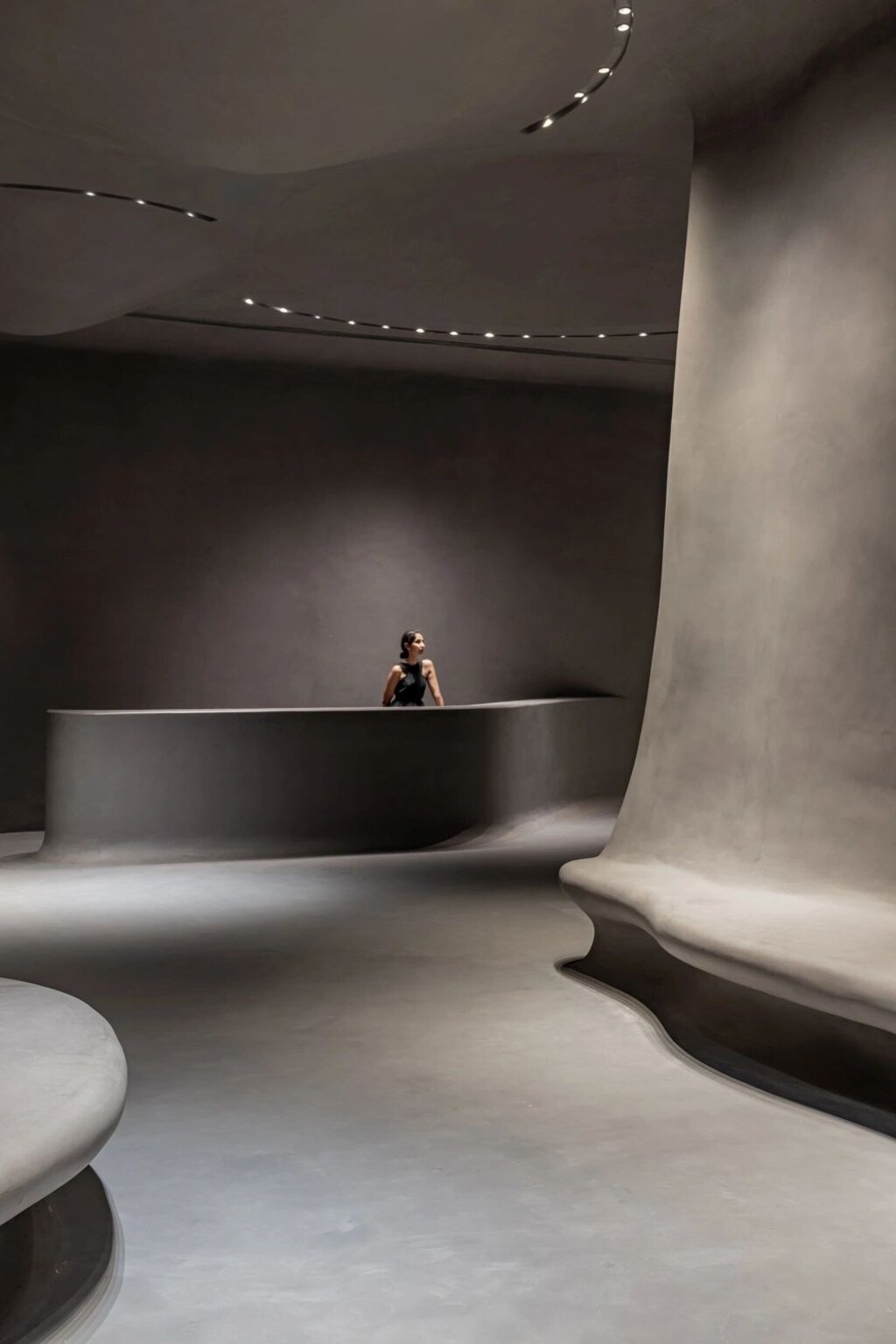
Upon entering, visitors are greeted by a large, fluidly designed foyer that acts as a peaceful transition zone. The space is purposefully calming, with every surface – from the walls and ceiling to the structural columns, seating benches, and reception desk – encased in a homogeneous layer of foam concrete. This minimalist approach, encapsulating the entire volume in a soft, concrete grey, quiets the mind and prepares visitors for the introspective journey ahead. The foam concrete not only offers an ethereal texture but also absorbs sound, reinforcing the tranquil atmosphere of the entrance.
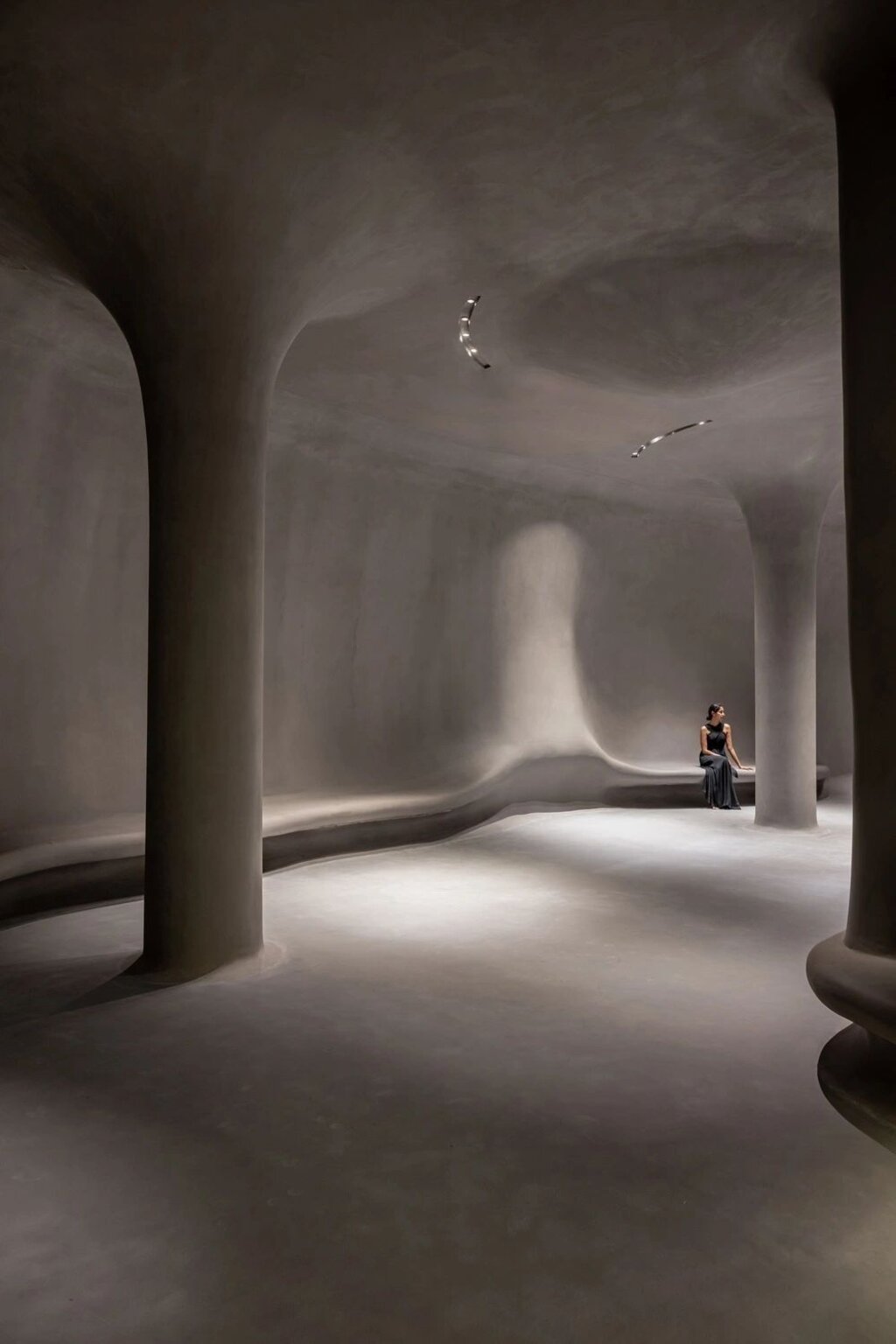
This foyer is more than a mere entrance; it is a sanctuary of calm, a sculptural volume that envelops the visitor and subtly hints at the museum’s larger purpose. The choice of concrete grey, an intentionally neutral and earthy tone, serves to soothe the senses and bring visitors into a meditative state, where they can begin to engage with the core themes of the museum. From this cavernous entry, visitors are led into a narrow, undulating corridor that features images and narratives about the making of the museum. This transitional space is an ode to the creative process behind the museum’s design and serves as a visual guide, preparing the audience for the immersive journey ahead.
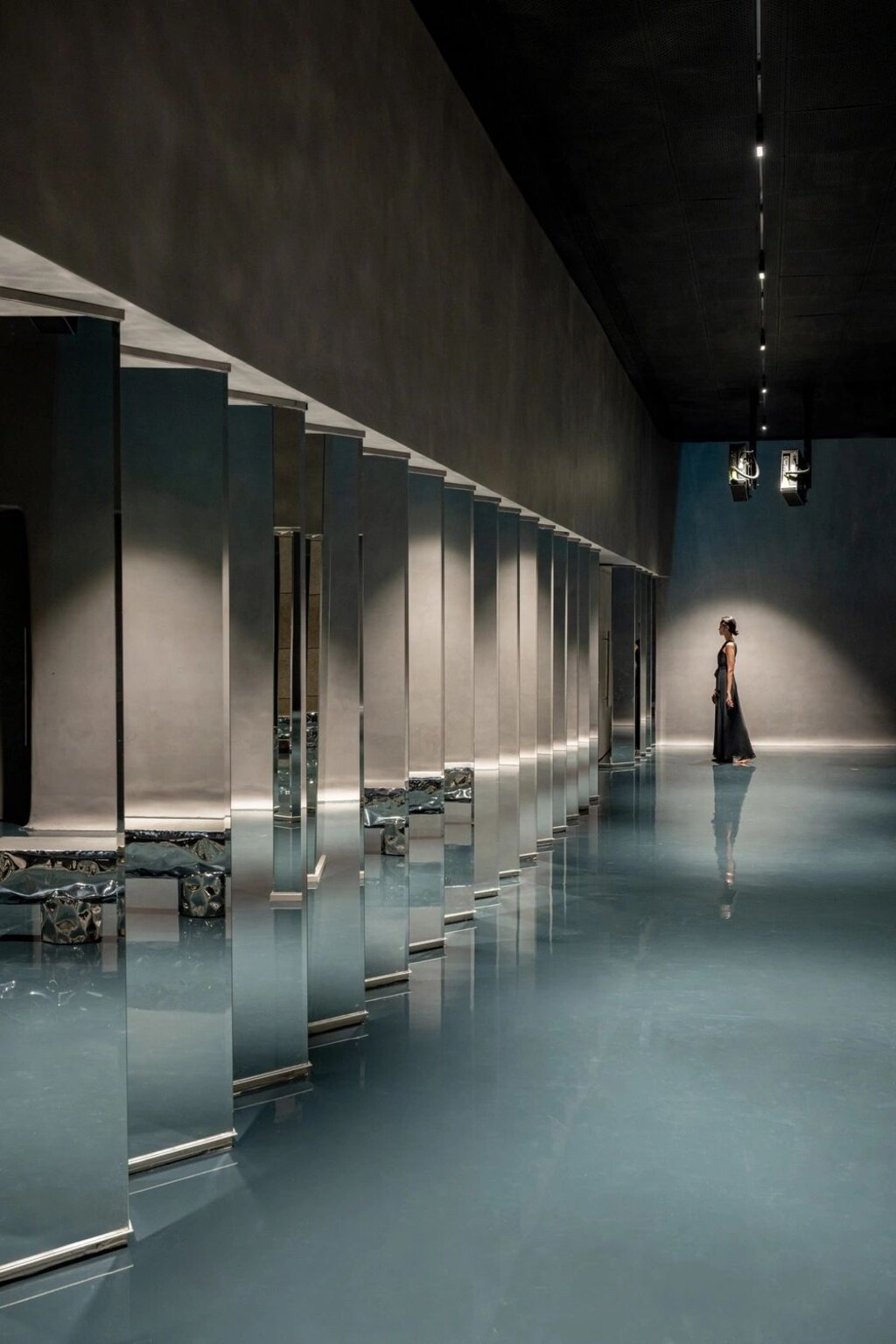
As visitors move through the museum, each of the 18 rooms reveals a distinct experience. The neutral palette of the museum’s interiors acts as a canvas for the richly immersive audio-visual content presented in each zone. These experiences are designed to stimulate the senses while simultaneously calming the mind. The transitions between rooms are fluid, creating an uninterrupted sequence that reflects the museum’s holistic approach to the soul, mind, and body connection.
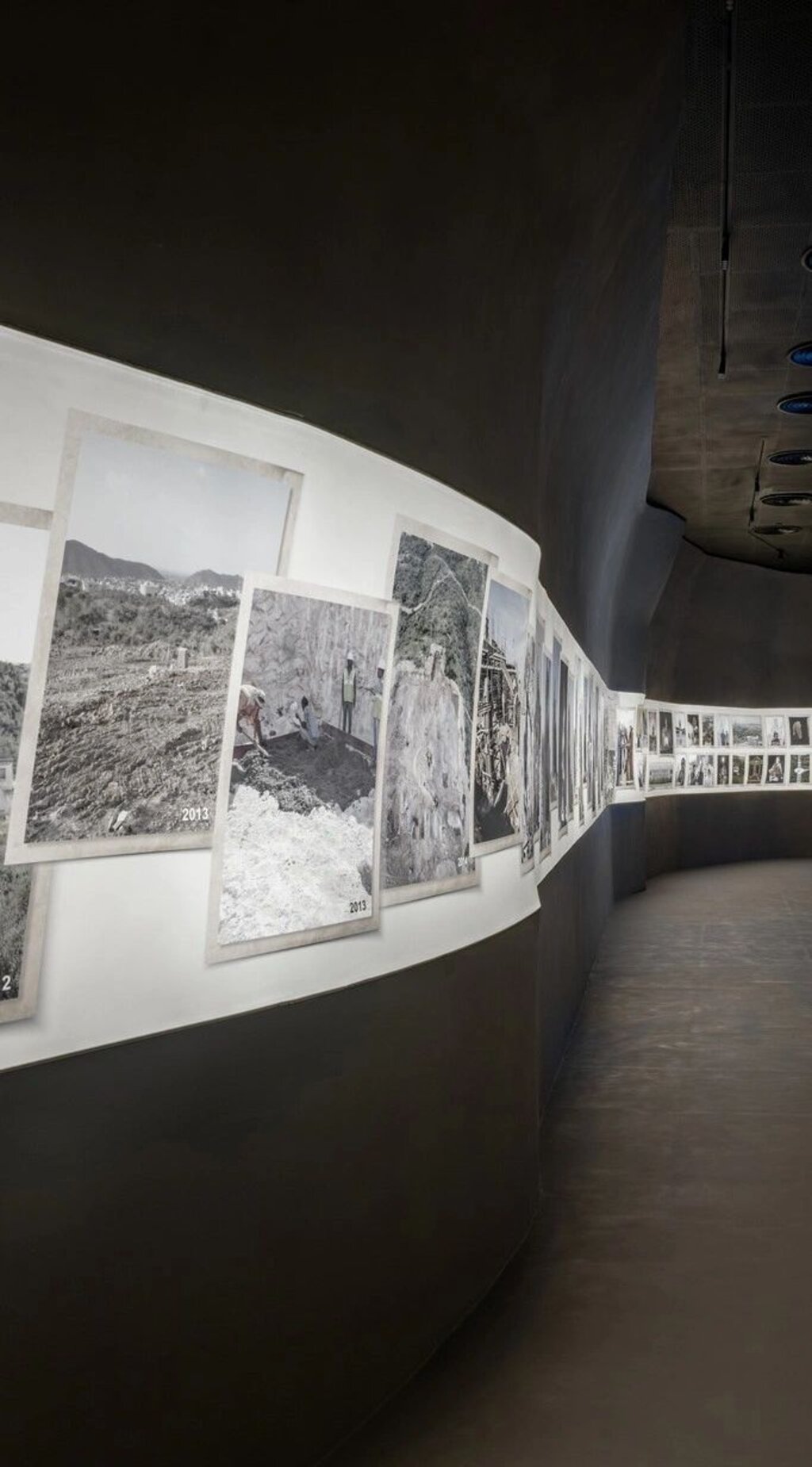
The museum’s irregular floor plan presented a unique architectural challenge, with multiple structural elements interspersed throughout the space. However, these constraints were ingeniously overcome by creating a sequential flow of rooms that guide visitors on a coherent journey. The undulating forms and soft grey tones ensure that structural elements blend harmoniously with the overall design, reinforcing the sense of continuity and flow between the experiences.
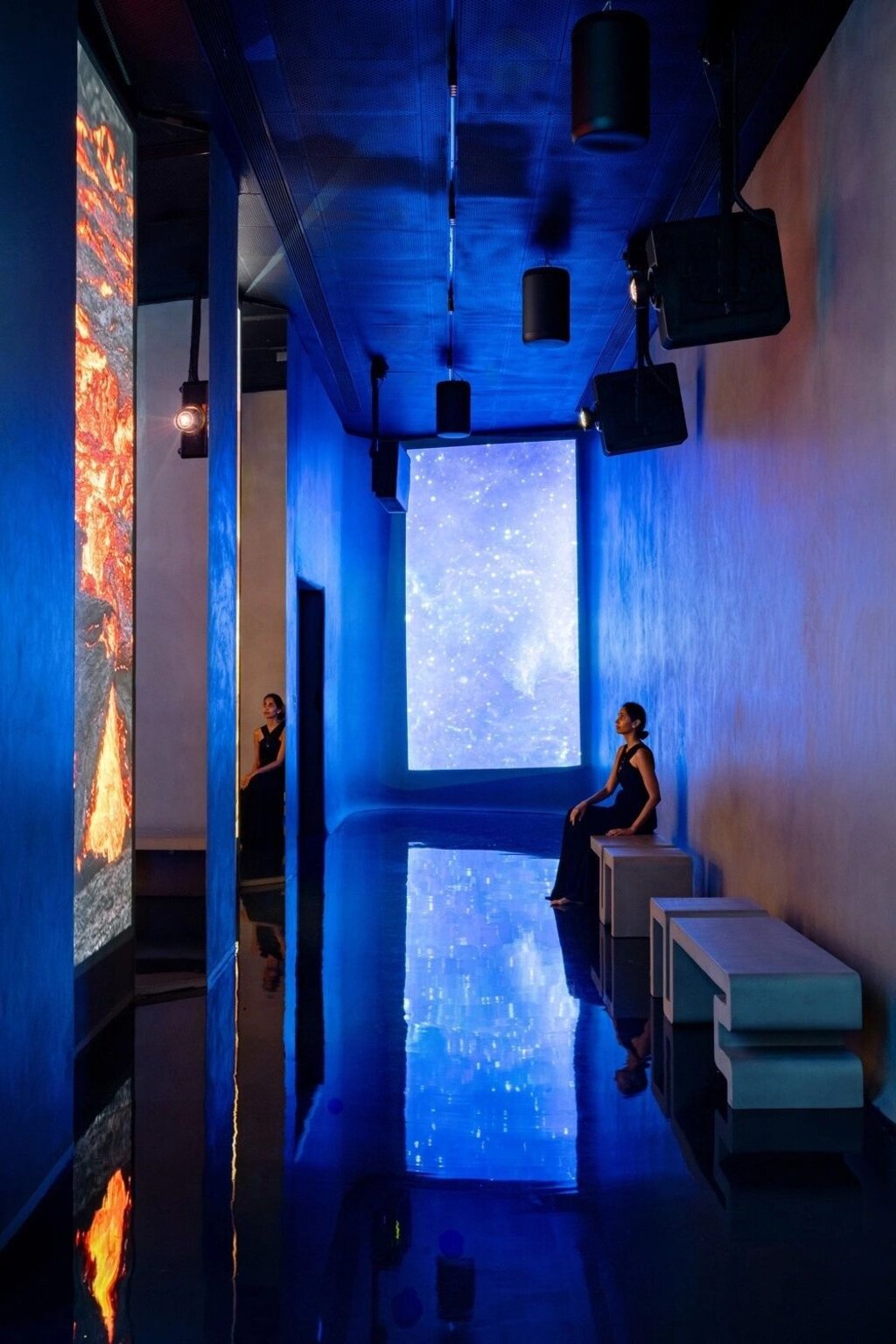
At the heart of the design is the careful balance between simplicity and sophistication. While the museum embraces a neutral and minimalist palette, it is far from sterile. Instead, the understated design allows the immersive experiences to take center stage, heightening the impact of the audio-visual narratives without overwhelming the visitor’s senses. The result is a space that is both deeply meditative and visually engaging, where visitors can lose themselves in the immersive themes without distraction.
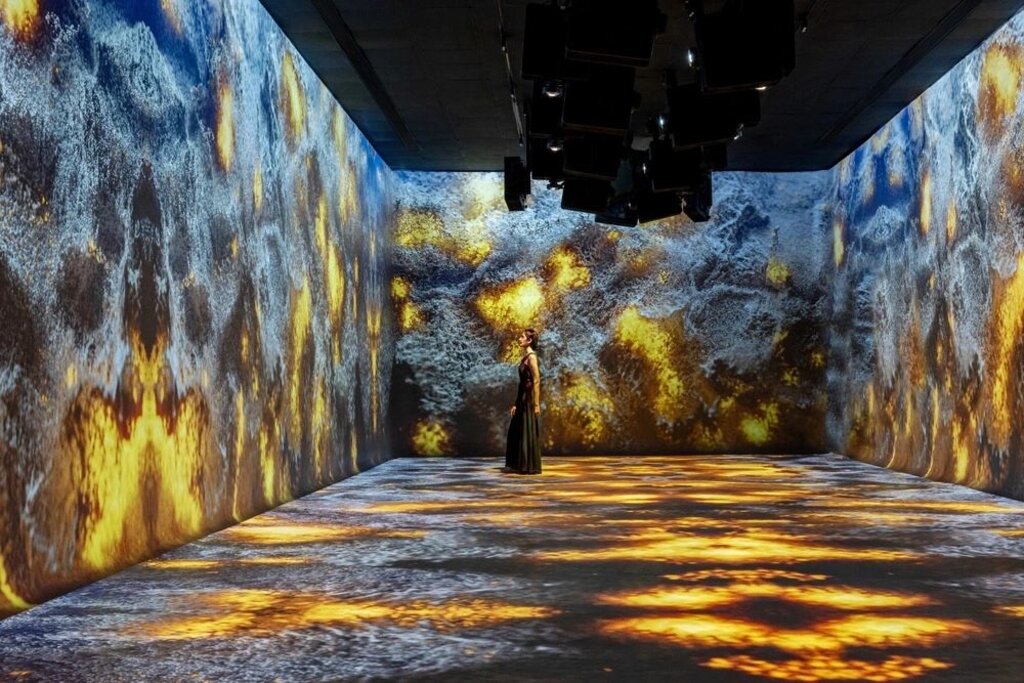
The museum’s design ethos is to offer not just a physical space but a transformative journey. It invites visitors to reflect, meditate, and explore their inner worlds, drawing upon the symbolic power of natural elements and the seamless fusion of architecture and spiritual philosophy. Every room, every surface, and every transition is purposefully crafted to encourage introspection and self-discovery, making the museum a space for contemplation as much as it is for learning.
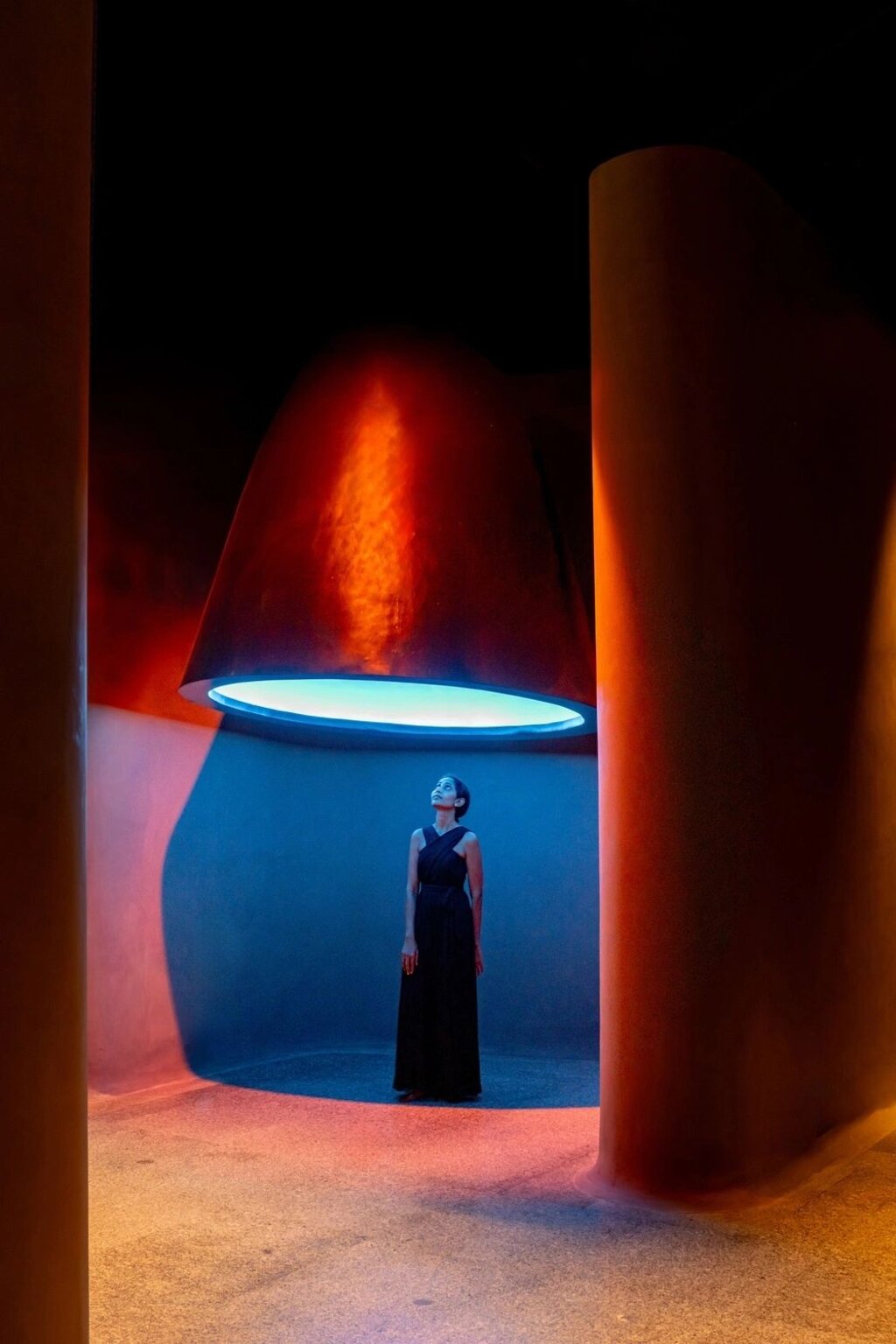
In conclusion, the museum within the Statue of Belief at Nathdwara is a remarkable architectural achievement that transcends traditional boundaries. It harmoniously integrates immersive experiences with a serene architectural flow, creating a journey that bridges the soul, mind, and body. For visitors, this museum offers more than just an exploration of spaces – it presents an opportunity to connect with the deeper aspects of self, all within a stunning architectural masterpiece that is as thoughtful as it is spiritual.
Photo Courtesy: Vinay Panjwani
Connect Online@www.sanjaypuriarchitects.com