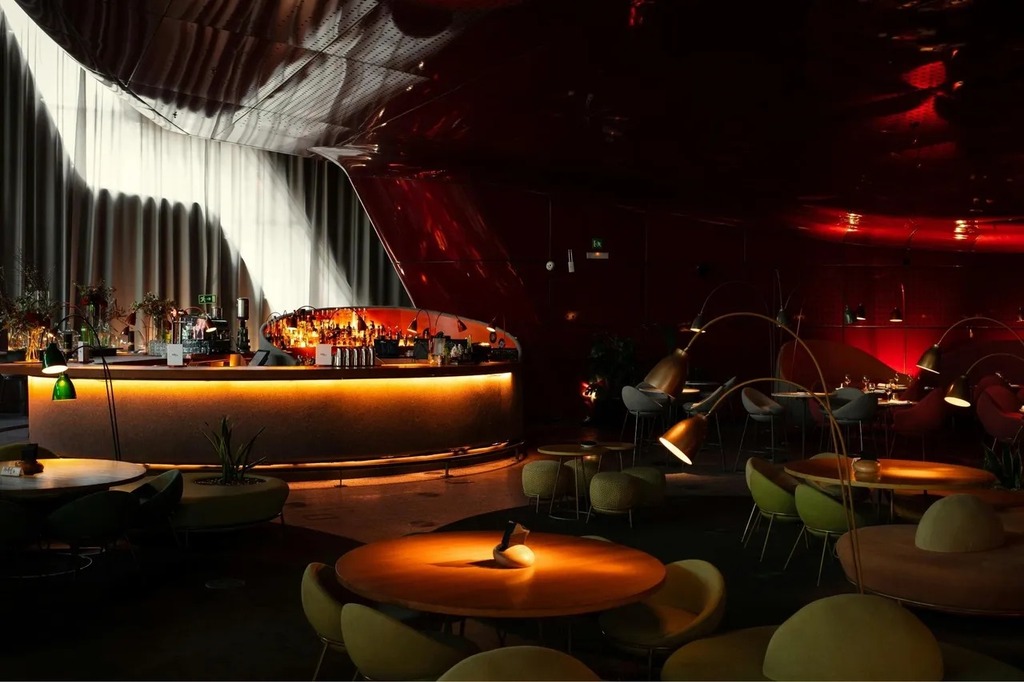
More than illumination, light structures perception, emotion, and sustainability – bringing architecture to life in ways unseen but deeply felt.
Have you ever walked into a room where everything seems perfectly designed – the interiors thoughtfully curated, the colors harmoniously balanced, the materials carefully chosen, and the furniture beautifully arranged – yet something still feels incomplete? You can’t quite point out what’s missing, but the space lacks warmth, rhythm, and connection. More often than not, the missing element is lighting.
Lighting is the intangible force that defines how we perceive and experience space. It touches every surface, influences color, texture, and material, and shapes the mood and atmosphere. Yet, despite its profound impact, lighting is often treated as an afterthought – introduced late in the design process instead of being integrated from the very beginning. When approached thoughtfully, lighting has the power to transform a well-designed space into an unforgettable experience. It bridges functionality and emotion, subtly guiding how people move, feel, and connect within an environment. Here’s why lighting deserves to be one of the most vital components of architectural design.
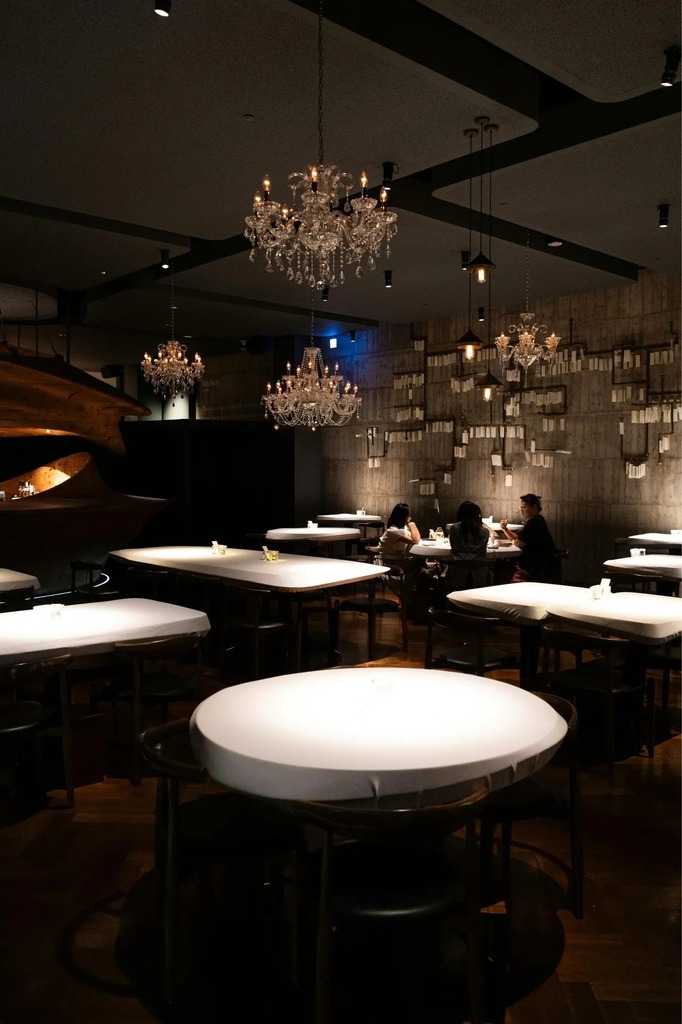
Functionality : The most fundamental role of lighting is illumination – making spaces usable, safe, and engaging. Properly lit environments inspire comfort and productivity, while dim or unevenly lit ones can feel disorienting or unsettling. However, good lighting isn’t just about brightness. It lies in achieving a balance between light and shadow, brightness and contrast. The best lighting quietly supports the space’s purpose – enhancing function without calling attention to itself. When functionality is done right, lighting becomes almost invisible, yet its presence defines how comfortably and naturally we inhabit a space.
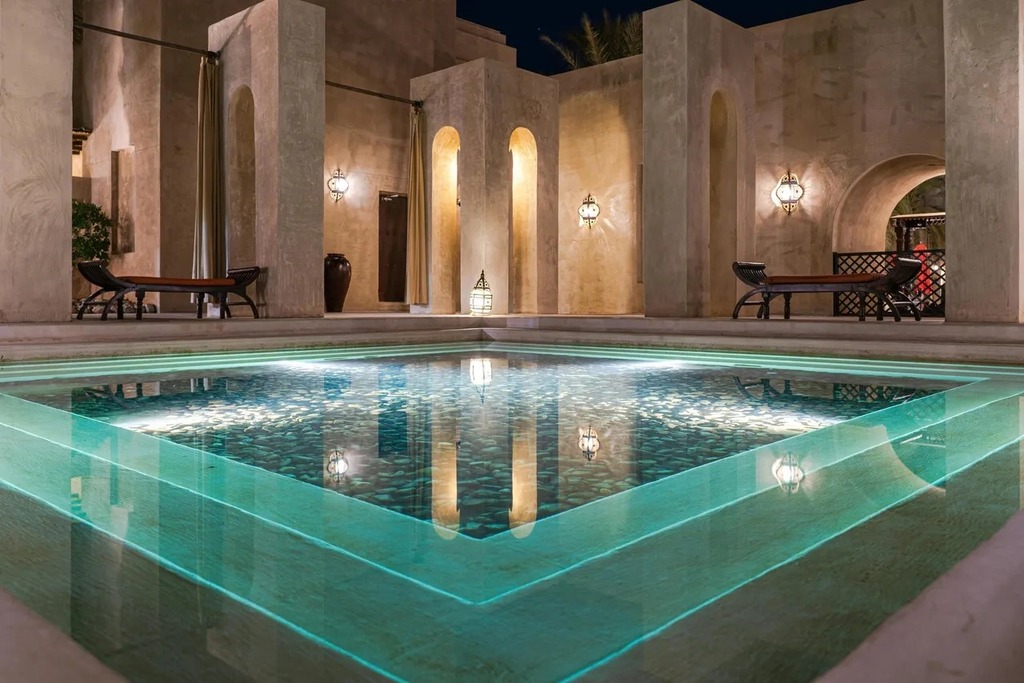
Spatial Perception : Lighting is a spatial instrument – it defines how we perceive form, volume, and depth. The placement, intensity, and color of light influence our sense of scale and proportion. A thoughtful lighting plan can make a compact room feel open and expansive or divide a large open layout into intimate zones. It can create transitions, direct movement, and shape the experience of architecture without altering a single wall. In this sense, lighting becomes not merely a design accessory but an architectural medium – capable of sculpting the invisible dimensions of space.
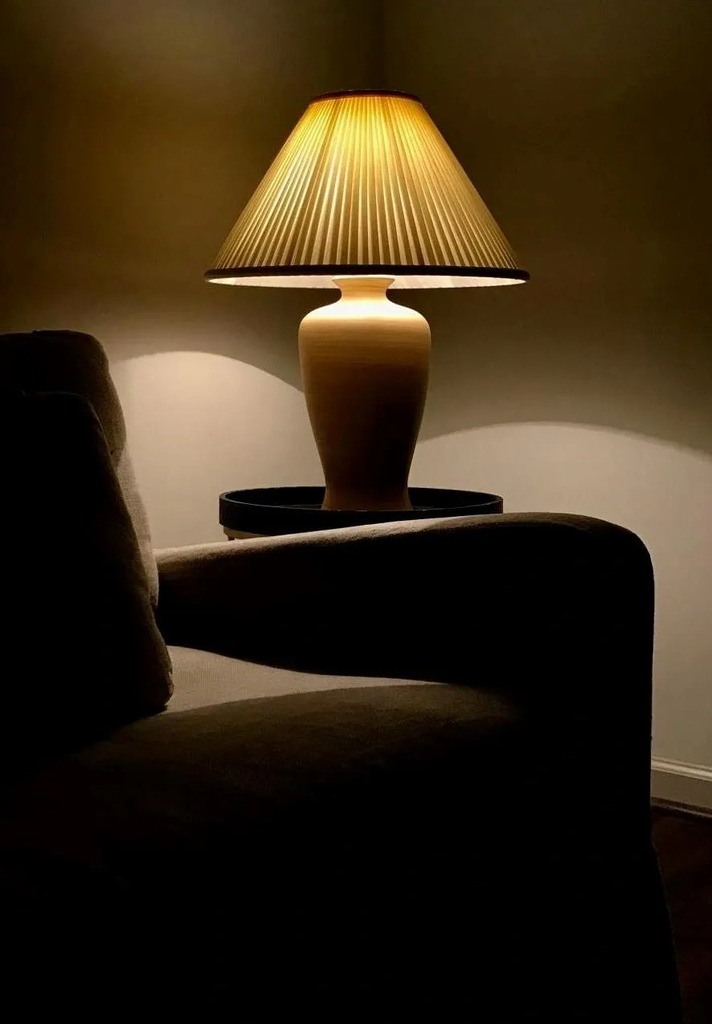
Mood and Well-Being : Light shapes emotion as much as it shapes visibility. Its color, direction, and intensity can evoke calm, focus, or energy. Warm, low-intensity light creates intimacy and relaxation; cooler, brighter tones promote alertness and precision. The same space can shift from serene to dynamic with a few calibrated adjustments. For instance, uniform cool lighting can make an environment feel sterile and distant, while warm, layered light introduces drama and comfort. Thoughtful lighting design ensures that the emotional tone of a space aligns with its function and with the natural rhythm of those who use it.

Aesthetics : Aesthetics form the expressive side of lighting design. It’s the art of revealing beauty rather than adding decoration. Proper lighting highlights textures, enhances colors, and draws attention to details that might otherwise go unnoticed – the tactile roughness of a stone wall, the warmth of timber, the silhouette of a sculpture, or the vibrancy of an artwork. Without intentional lighting, even the most elegant materials can appear dull or lifeless. Great lighting design never competes with interiors; instead, it amplifies architectural intent, ensuring that every surface and form reveals its true character.
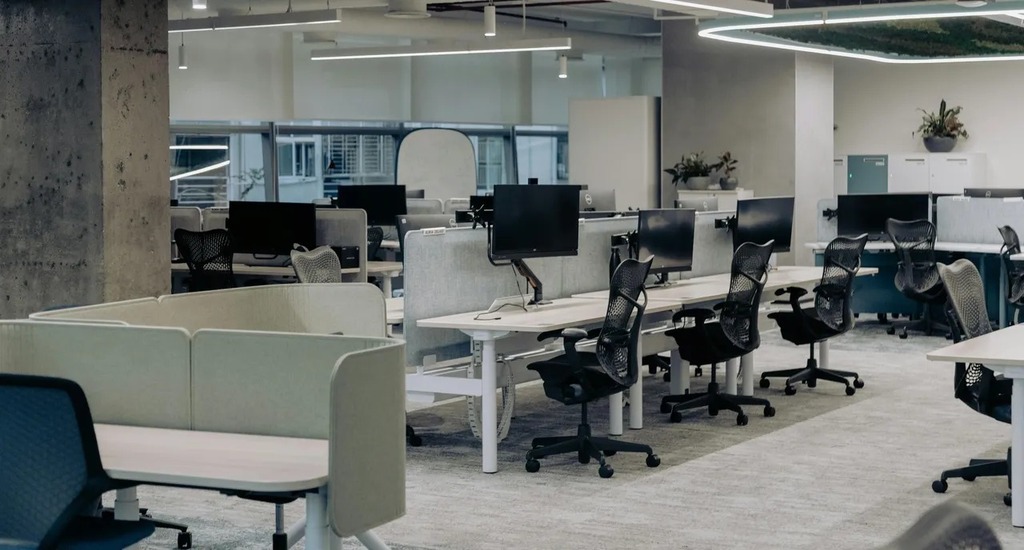
Sustainability : Thoughtful lighting is also responsible lighting. It directs light precisely where it’s needed and ensures every fixture serves a purpose. Instead of filling ceilings with uniform grids, strategic design minimizes over-brightness and power waste. When integrated with intelligent control systems, lighting becomes dynamic and responsive – adapting to different activities and times of day, optimizing energy use, and enhancing user comfort. A well-designed lighting strategy not only reduces operational costs but also reinforces sustainability goals, proving that aesthetic quality and environmental sensitivity can coexist beautifully.
Lighting is never just an accessory – it is the foundation that animates architecture. It defines how spaces are seen, felt, and remembered. Without thoughtful lighting, even the most meticulously designed interiors risk falling flat. Simply put: design is what you see, but lighting is what you feel.
(The author, Jnanasagar Kamath, is a lighting consultant by profession and currently works as the Lead Lighting Designer at QR-Pixel Design Studio, Bangalore.)
Photo Courtesy: The Author
Connect Online@kamathjnanasagar@gmail.com