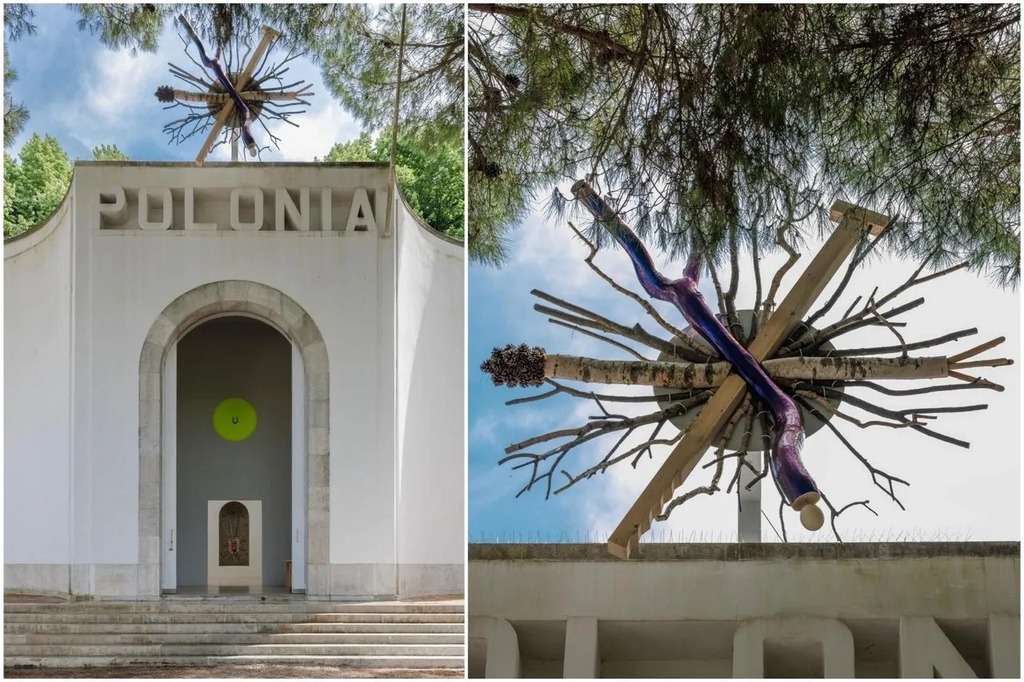
The entrance and main façade of the Polish Pavilion, overlooking the Giardini of La Biennale di Venezia. Built in the 1930s, the Pavilion has hosted Poland’s national exhibitions since 1932 and now presents Lares and Penates: On Building a Sense of Security in Architecture at the 19th International Architecture Exhibition | A wiecha – wreath of branches with ribbons and tools – placed atop the building to mark its structural completion, a tradition in Poland since the 15th century
At the 2025 Venice Architecture Biennale, the Polish Pavilion’s Lares and Penates exhibition explores how architecture, both ancient and modern, reflects our primal need for protection – blending emotional traditions with regulatory realities to build a sense of security.
Since its origins, architecture has served a fundamental purpose: to shelter and protect. But how does it continue to do so in our rapidly changing and increasingly unstable world?
At the 2025 Venice Architecture Biennale, the Polish Pavilion delves into this question with Lares and Penates: On Building a Sense of Security in Architecture – a compelling exploration of architectural anthropology and the emotional dimensions of space.
Led by a multidisciplinary team – historian Aleksandra Kędziorek, artists Krzysztof Maniak and Katarzyna Przezwańska, and architect Maciej Siuda – the exhibition shifts the lens from architects to inhabitants. Rather than evaluating architecture through design intent, it listens to the lived experience: the fears, hopes, and instincts that shape our relationship with the places we call home.
“Lares and Penates were Roman deities entrusted with guarding the hearth,” explains Kędziorek. “They continue to symbolize guardianship and domestic safety across cultures. In the spirit of Carlo Ratti’s Biennale theme ‘Intelligens,’ we treat them as a universal code – deeply rooted in collective memory and human intelligence.”
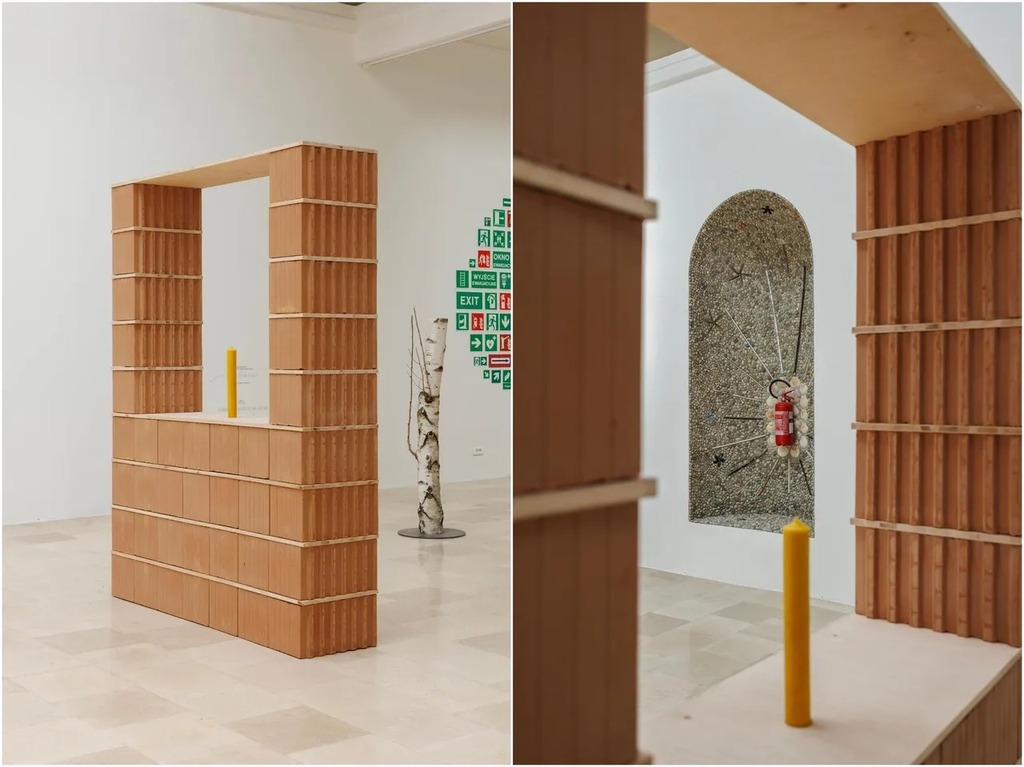
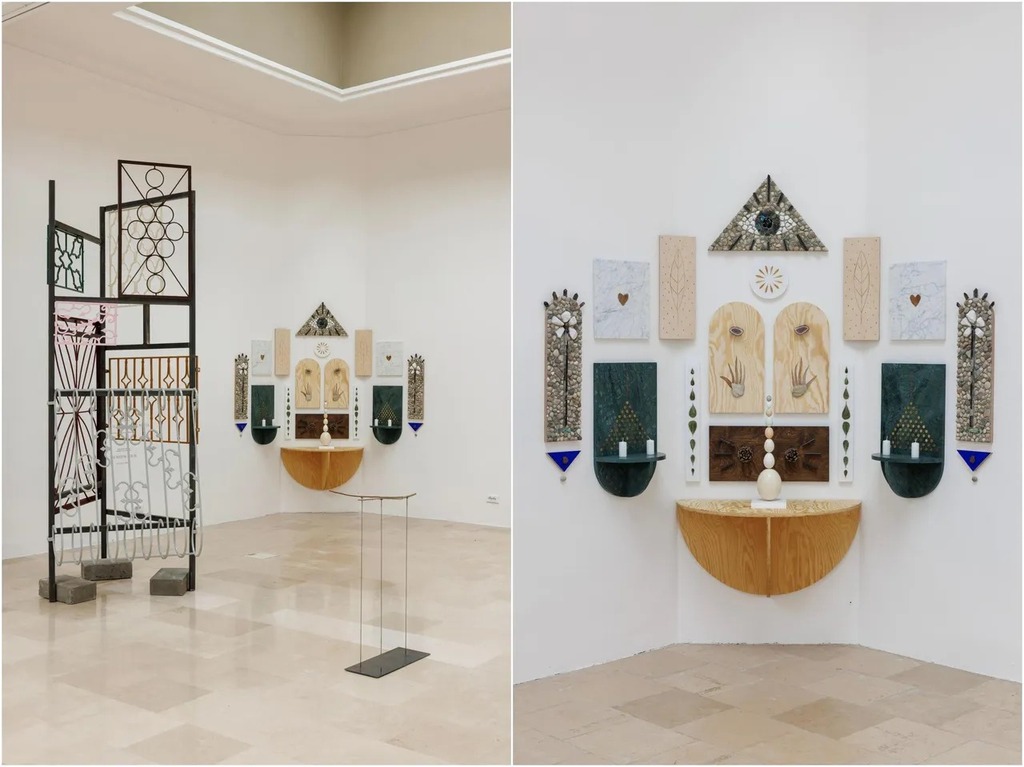
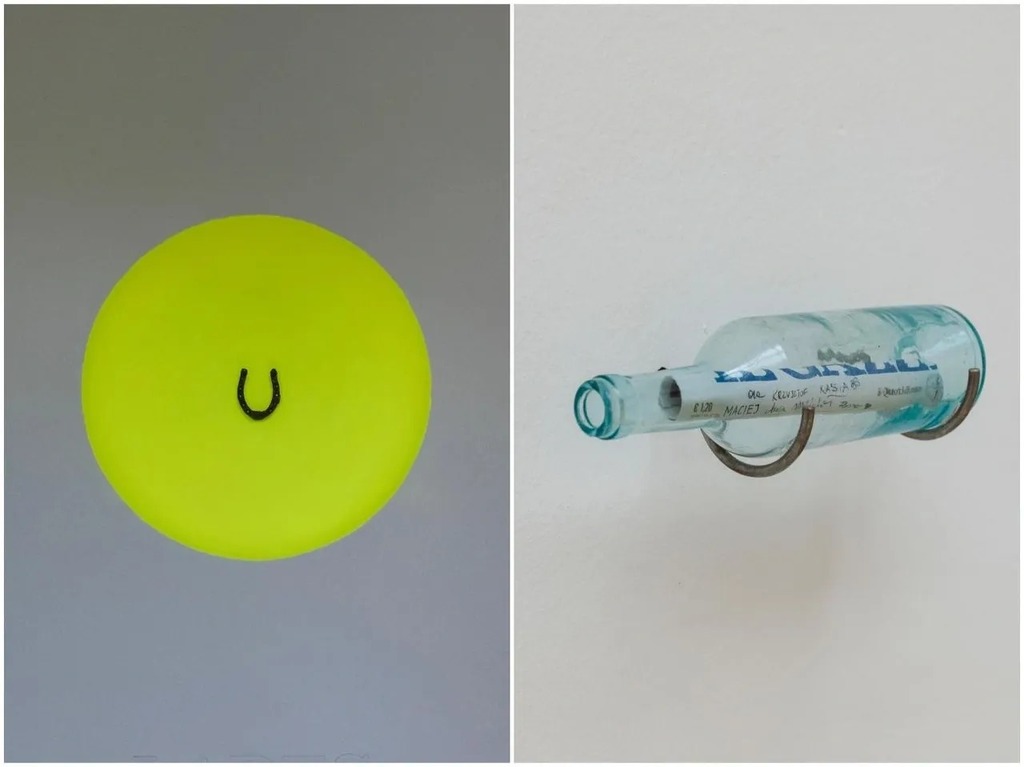
Drawing from fieldwork across Poland, the exhibition uncovers enduring customs that reflect an instinctive need for security: a candle in the window to ward off storms; a “wiecha” garland on construction sites to prevent misfortune; a threshold stone salvaged from an ancestral home; or dowsing rods used to locate underground water before building.
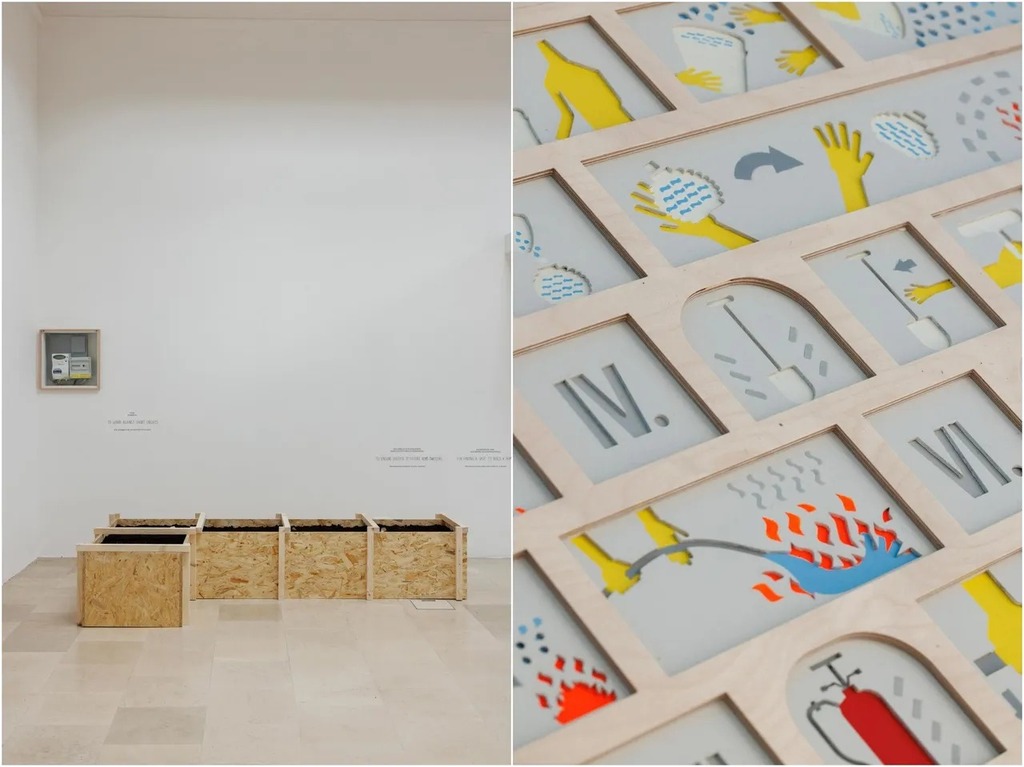
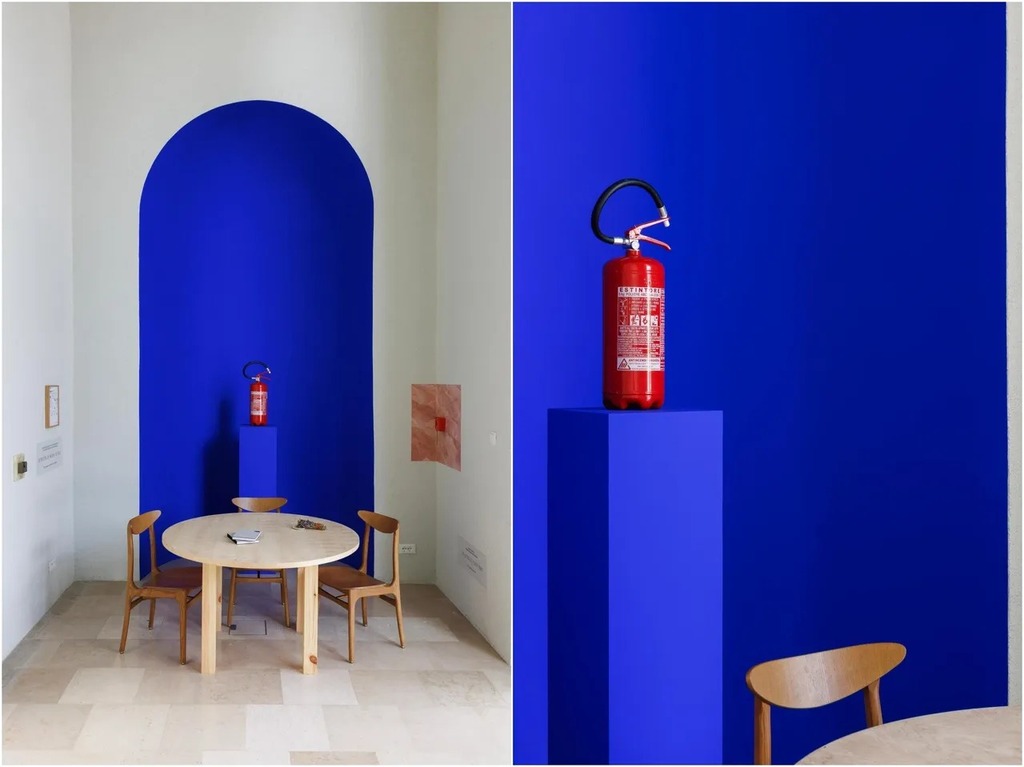
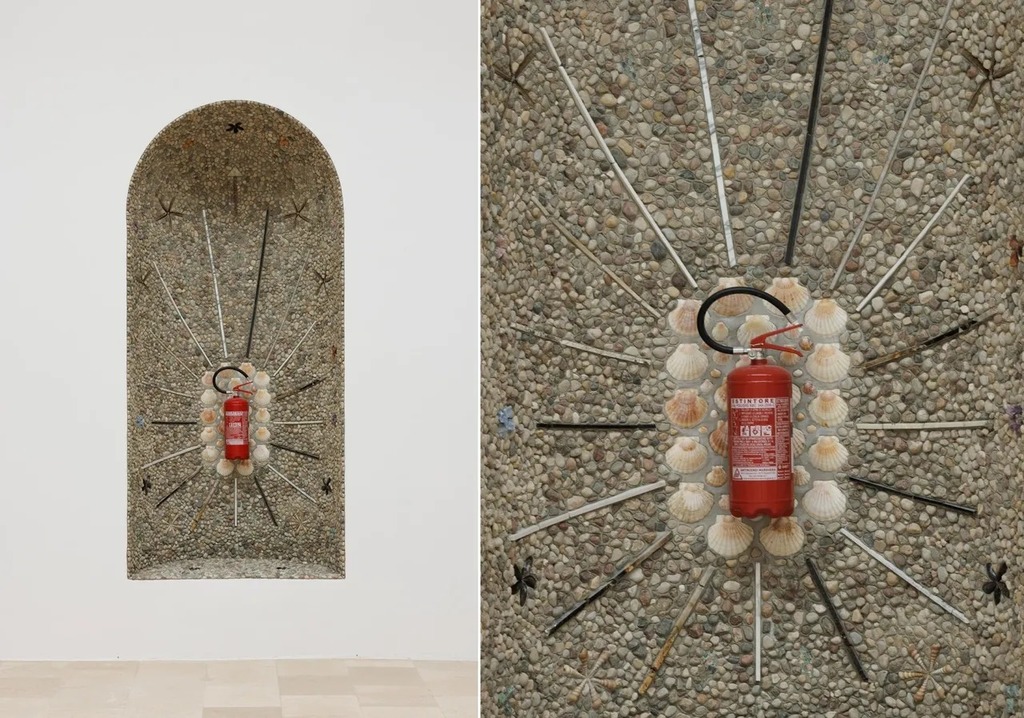
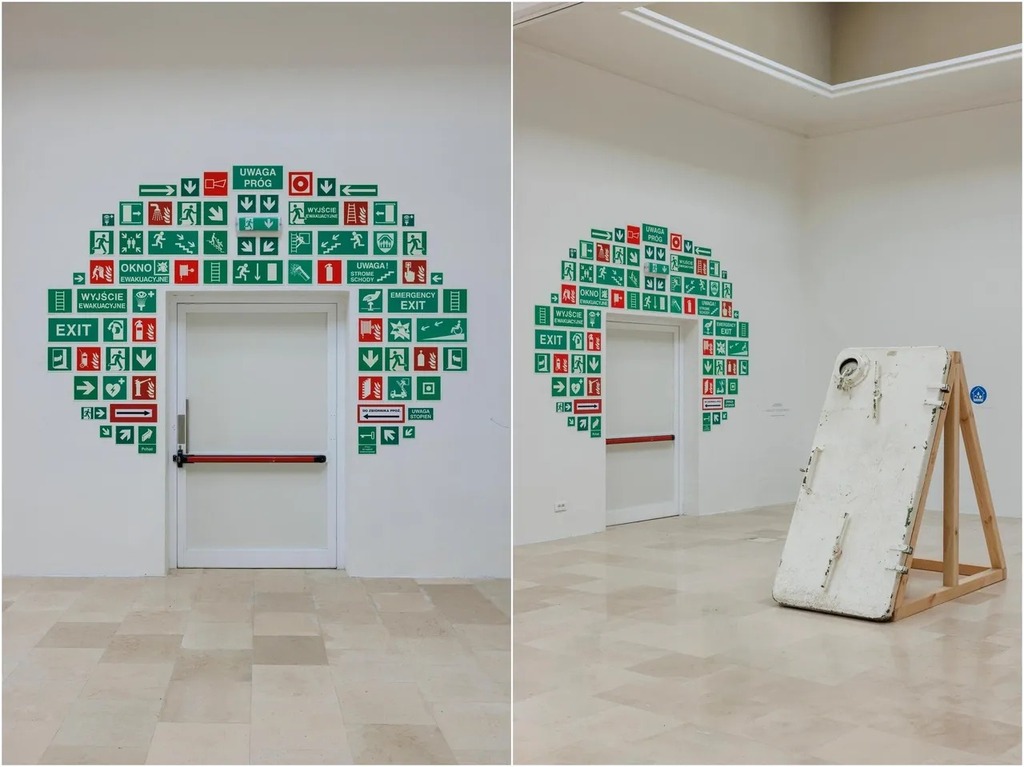
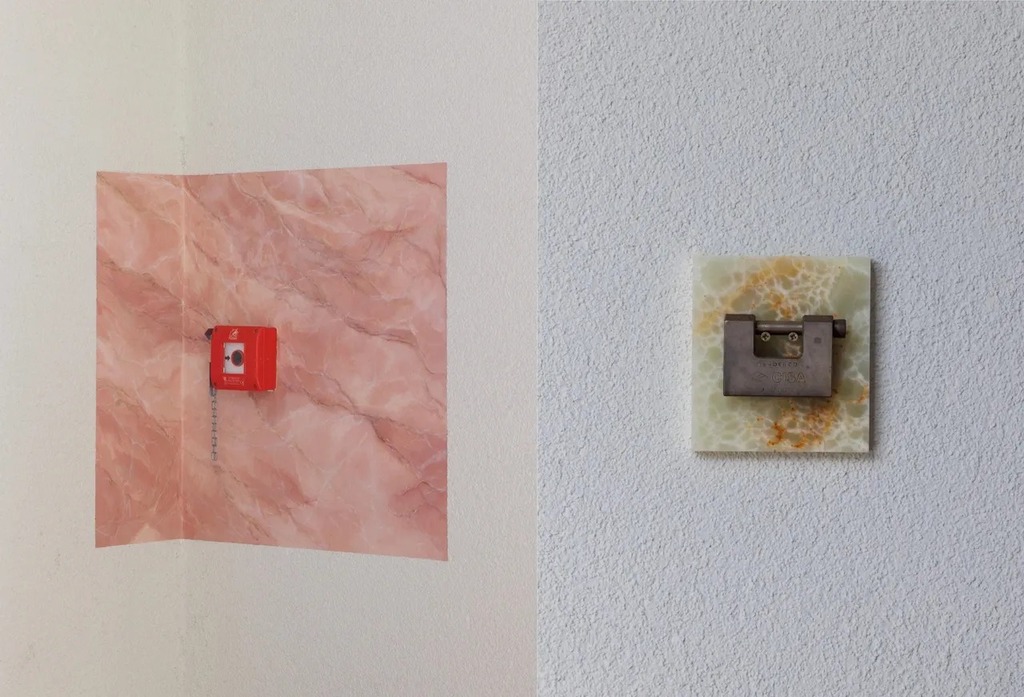
Alongside these traditions, modern safety infrastructure is reframed as part of our emotional landscape. Emergency exits, fire alarms, peepholes, padlocks – often unnoticed – are highlighted and elevated. A fire extinguisher, for example, is placed in a niche styled like a fresco or set into a mosaic, revealing the symbolic comfort behind the utilitarian.
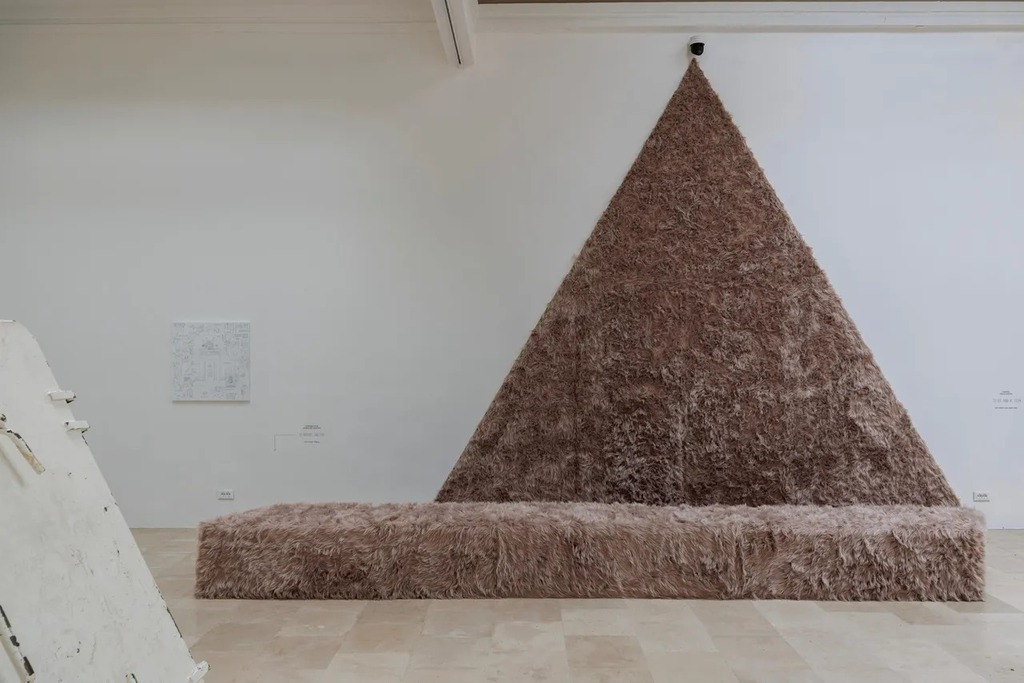
The exhibition avoids digital installations, opting instead for full-scale, tactile objects and scenography that celebrate physical presence. These found or assembled items – rooted in shared cultural memory = form a sensory narrative of protection.
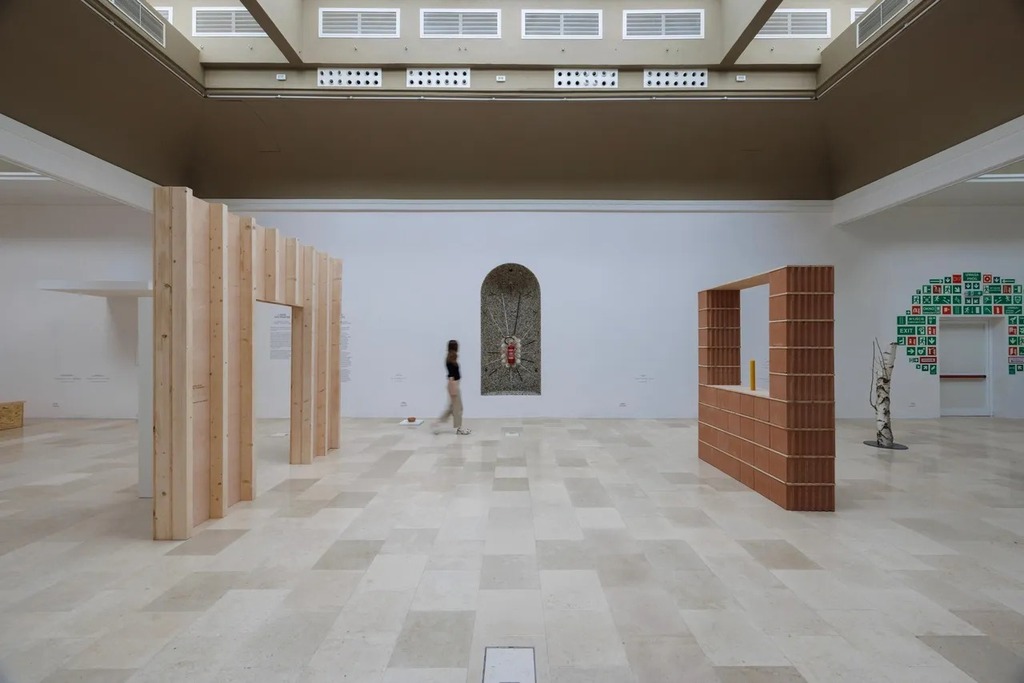
By weaving together regulatory measures and emotional responses, Lares and Penates proposes a more human-centered approach to architecture. It invites us to rediscover the primal need for safety not as a technical requirement, but as a profound emotional experience.
This timely contribution from the Polish Pavilion aligns with the 2025 Biennale’s central theme:
“Intelligens. Natural. Artificial. Collective.”
TECHNICAL SHEET
Authors:
Aleksandra Kędziorek, Krzysztof Maniak, Katarzyna Przezwańska, Maciej Siuda
Commissioner of the Polish Pavilion:
Agnieszka Pindera, Director, Zachęta – National Gallery of Art
Organiser: Zachęta – National Gallery of Art
Patron: ORLEN
Exhibition Partners: Adam Mickiewicz Institute, Paradyż
Supported by: Society for the Encouragement of Fine Arts
In cooperation with: Polish Institute in Rome
Media Partners: Architektura & Biznes, Autoportret, LABEL, PAP, Polskie Radio, Elle Decoration, TVP Kultura, Vogue Poland
Location:
Polish Pavilion
Giardini della Biennale
Sestiere Castello, 30122 Venice, Italy
Dates:
10 May – 23 November 2025
19th International Architecture Exhibition – La Biennale di Venezia
Photo Courtesy: Jacopo Salvi, Zachęta archive
Connect Online@www.tally.so/r/wLo8oO